This page shares more of my personal story and the experiences that shaped my perspective on leadership, responsibility, and stewardship.
My Story Didn’t Start in Boardrooms
My story started with adaptation—learning how to navigate change, read environments, and find stable ground when circumstances shifted.
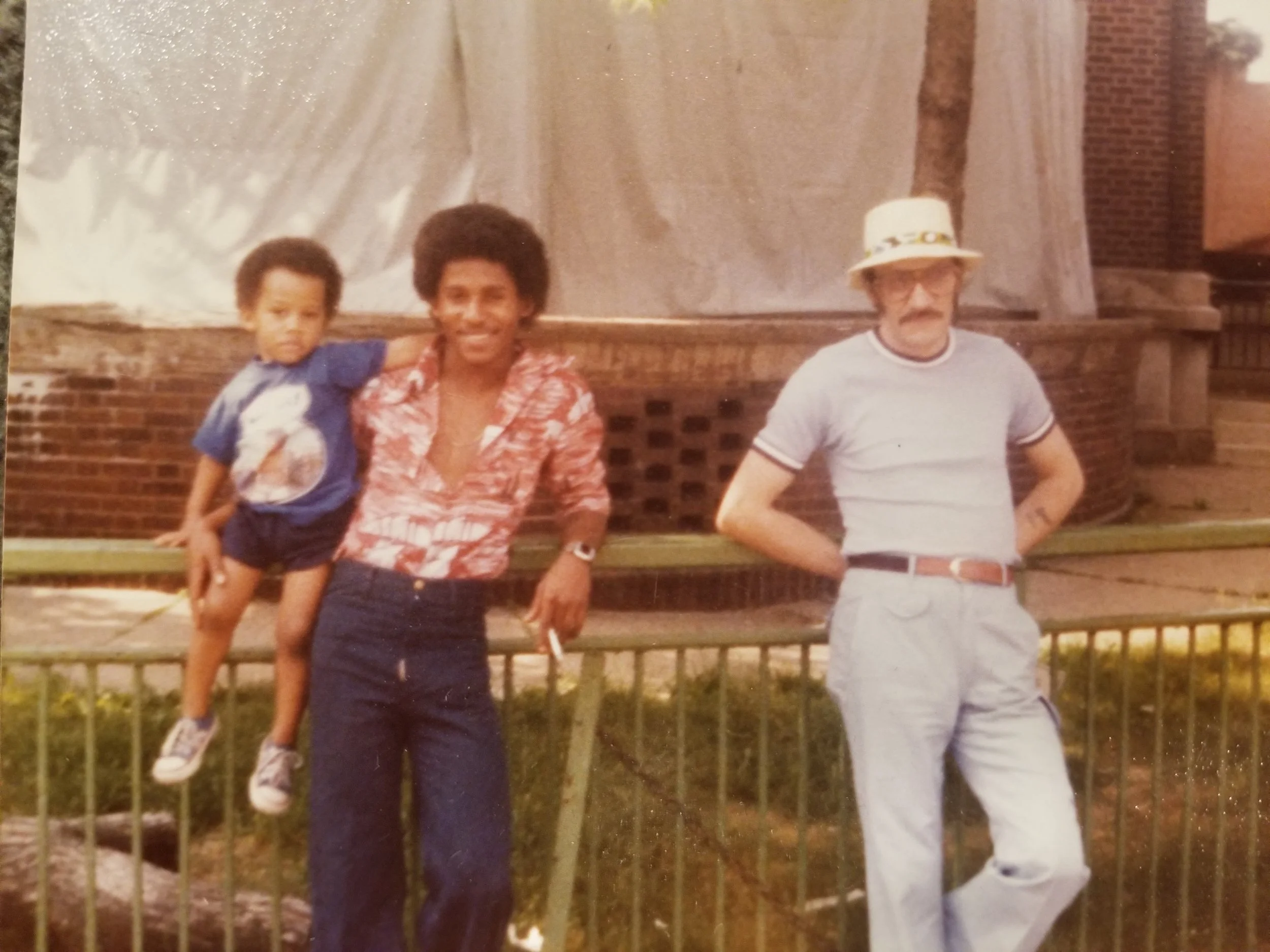
I grew up as the son of an immigrant Haitian father and a resilient young mother, moving through different neighborhoods, schools, and communities. Early on, I saw how much environment shapes people—and how clarity, trust, and leadership can either steady a group or quietly pull it apart.
When my parents divorced at age eight, change intensified. Frequent moves and new schools required adjustment and awareness. Those years brought challenges, but they also sharpened my sensitivity to dynamics and reinforced the importance of stability, alignment, and belonging during uncertain times.
That early exposure taught me to look beneath the surface and search for what unifies people around something larger than individual agendas. That perspective continues to shape how I work with leaders today.
I’ve seen it repeatedly: teams are often closer to momentum than they realize—once the right things are aligned.
Formed by Optimism, Responsibility, and Identity
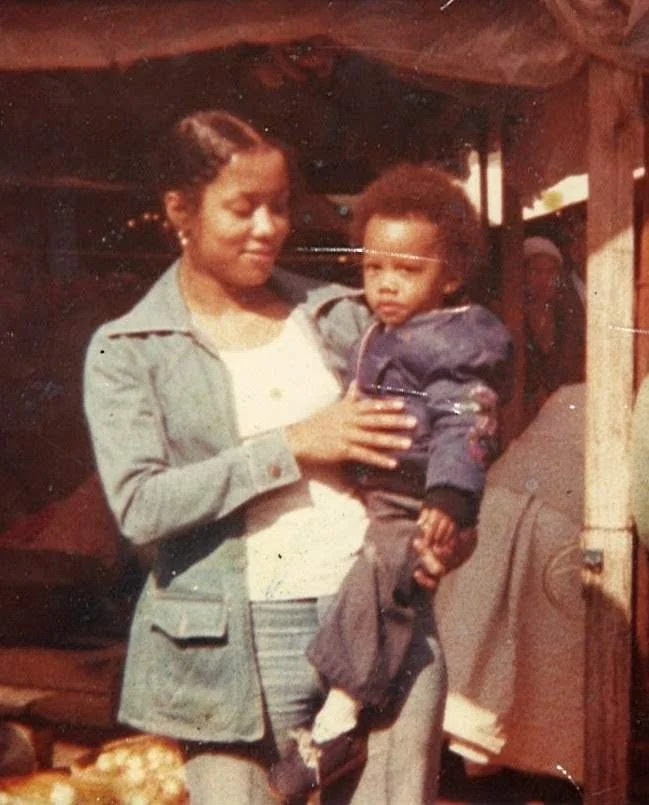
My optimism and forward‑thinking mindset come largely from my mother.
She had me at seventeen, and I watched her grow alongside me—finding her voice, building independence, and taking on new challenges through corporate roles and entrepreneurship. Seeing that evolution instilled a deep belief that growth is possible at any stage and that people often have more potential than they first see.
From my father, I learned responsibility.
As a postal mailman, he showed up six days a week—rain, sleet, or snow. He didn’t talk about work ethic; he lived it. His consistency shaped how I understand commitment and follow‑through when others are counting on you.
My grandfather reinforced identity and courage. He was clear that my last name mattered, that character mattered, and that leadership required standing for something bigger than comfort or trends. He pushed me to act on ideas, not just hold them.
Together, these influences shaped how I lead: optimistic about possibility, serious about responsibility, and grounded in stewardship.
A Defining Lesson in Leadership
One of the most enduring leadership lessons I learned came during college while working at a car dealership.
After progressing into sales and performing well, staying felt comfortable. Instead, the general manager, Mr. Anderson, took the time to understand my background and long‑term potential. He encouraged me to explore opportunities beyond the dealership—not because he didn’t value my contribution, but because he valued my development as a person.
He wanted me in environments where I would continue to be nurtured and stretched, not simply rewarded for staying put.
That moment left a lasting impression.
It reinforced a belief I still hold: real leadership prioritizes people’s growth as humans, not just their output.
My Belief About Good Work
I believe good work is tied to a clear mission.
When mission is strong and shared, it creates focus. Decisions simplify. Noise fades. People pull in the same direction without constant explanation.
When mission is unclear, distraction grows and alignment weakens. Even capable teams spend more energy coordinating than progressing.
Much of my work centers on helping leaders reconnect daily decisions to a clear mission—so effort aligns, friction drops, and momentum becomes sustainable.
How I Approach the Work
I don’t believe most leadership challenges stem from a lack of effort.
They emerge when priorities compete, conversations are avoided, or decisions lack a shared frame of reference. Over time, this drains energy—even in strong organizations.
My approach focuses on:
Clear, honest dialogue
Slowing down just enough to think well
Aligning priorities, roles, and expectations
Strengthening trust so accountability doesn’t damage relationships
Encouraging leaders to think beyond the immediate moment
When clarity returns, energy usually follows.
What Leaders Value in the Partnership
Leaders choose to work with me because they’re looking for a partner who brings:
Clarity without ego
Calm presence in moments that matter
Honest perspective without unnecessary friction
Respect for people and outcomes
A long‑term view that balances today and tomorrow
They’re not looking for someone to energize the room.
They’re looking for someone who helps the room move forward.
Where This Work Shows Up
Leaders engage with me through leadership team alignment, executive coaching, strategy and culture work, and keynotes that spark clarity and shared understanding.
Regardless of format, the aim is the same:
to help leaders and teams align around what matters most and build sustainable momentum.
A Final Thought
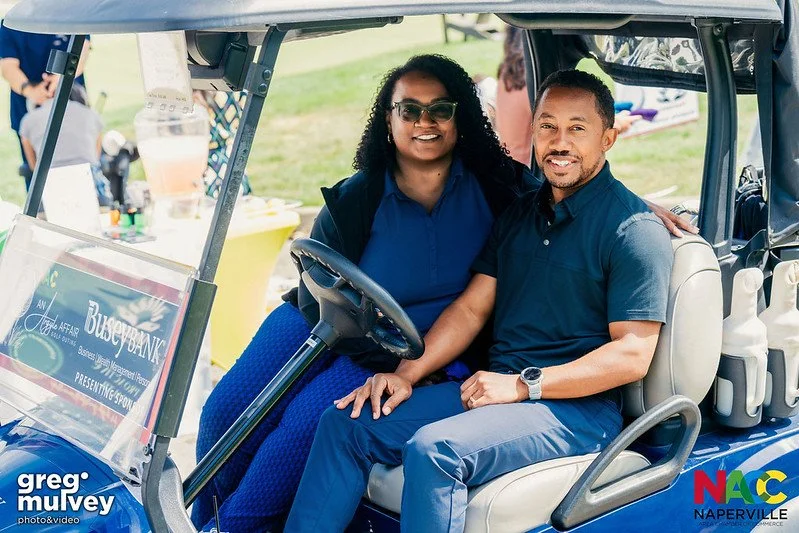
I’ve continued to be fortunate—and blessed—to be nurtured by exceptional leaders, mentors, and coaches throughout my life and career. Their investment shaped me as a professional, a family man, and a community servant.
It’s my intention to pay that forward—helping others find clarity, alignment, and confidence as they navigate what comes next.
If this story gives context to how I lead…
My work with leaders is shaped by these experiences—not as a philosophy, but as lived responsibility. If you’d like to understand how that shows up in my work today, you can explore that here.